Molecules to Biologics
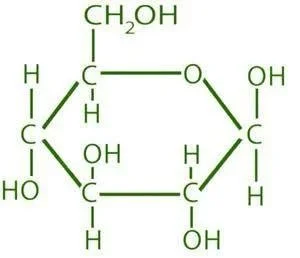
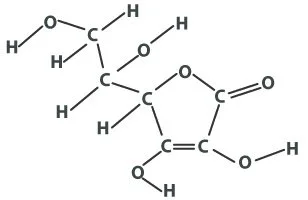
There are certain molecules critical to life. The most common examples include Hydrogen (H), Oxygen (O), Carbon (C), Nitrogen (N), Calcium (Ca), Phosphorous (P), Sodium (Na), Potassium (K), Chloride (Cl); these are all single molecular elements, often present in nature as their stable forms (H2, O2, or NaCl - salt). There are also more complex molecules comprised of covalently bound elements that are also critical to life; example include glucose (C6H12O6), vitamin C ( C6H8O6), adenine (C5H5N5) to name but a few.

How are more complex molecules created?
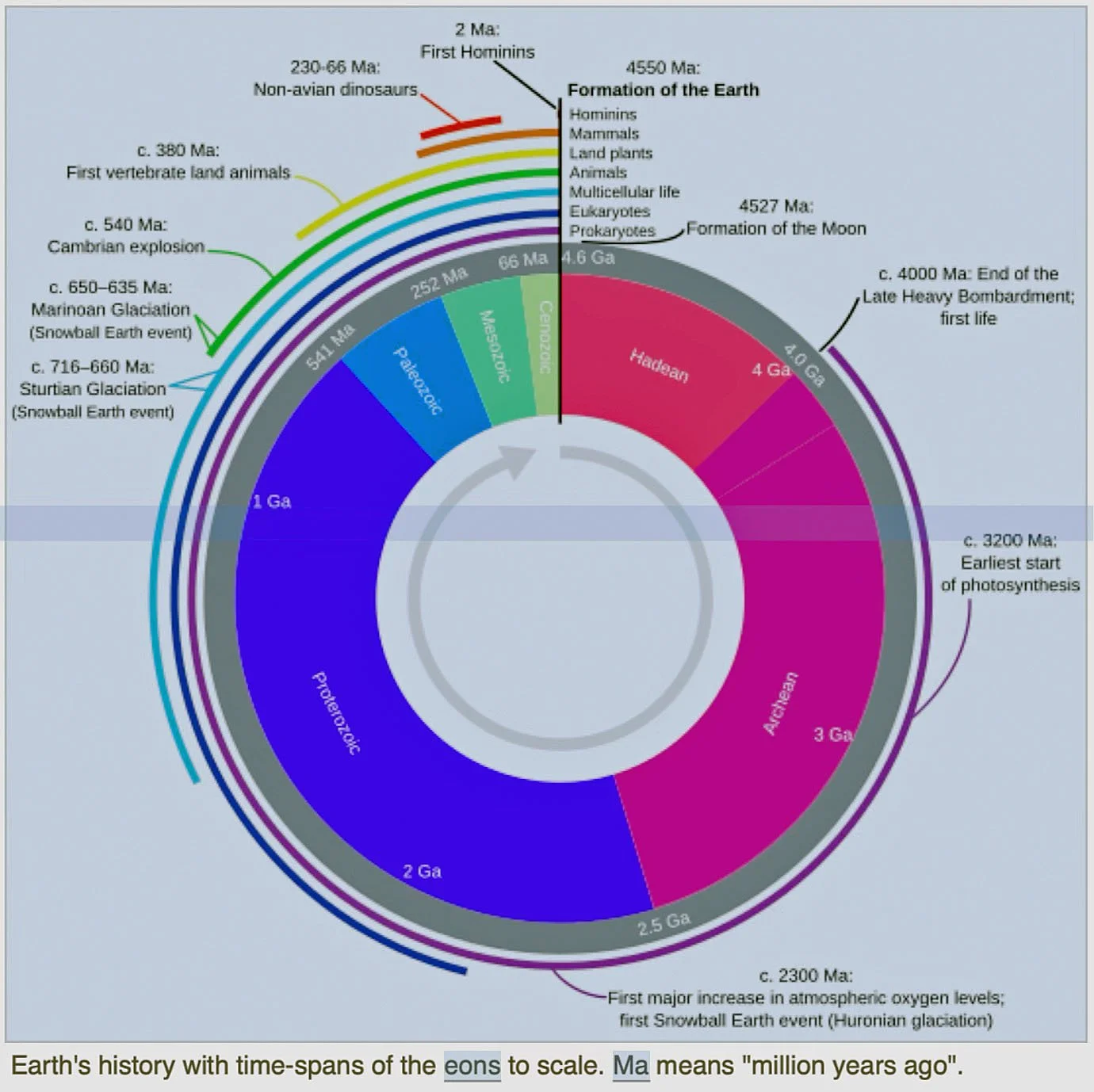
The Earth was formed during the Hadean era, 4.5 billion years ago (Bya). The earliest evidence of life (prebiotics) on Earth date to around 3.8 Bya in Western Australia. Fossil micro-organisms have been found to exist in hydrothermal vent precipitates from Quebec, soon after ocean formation 4 Bya.
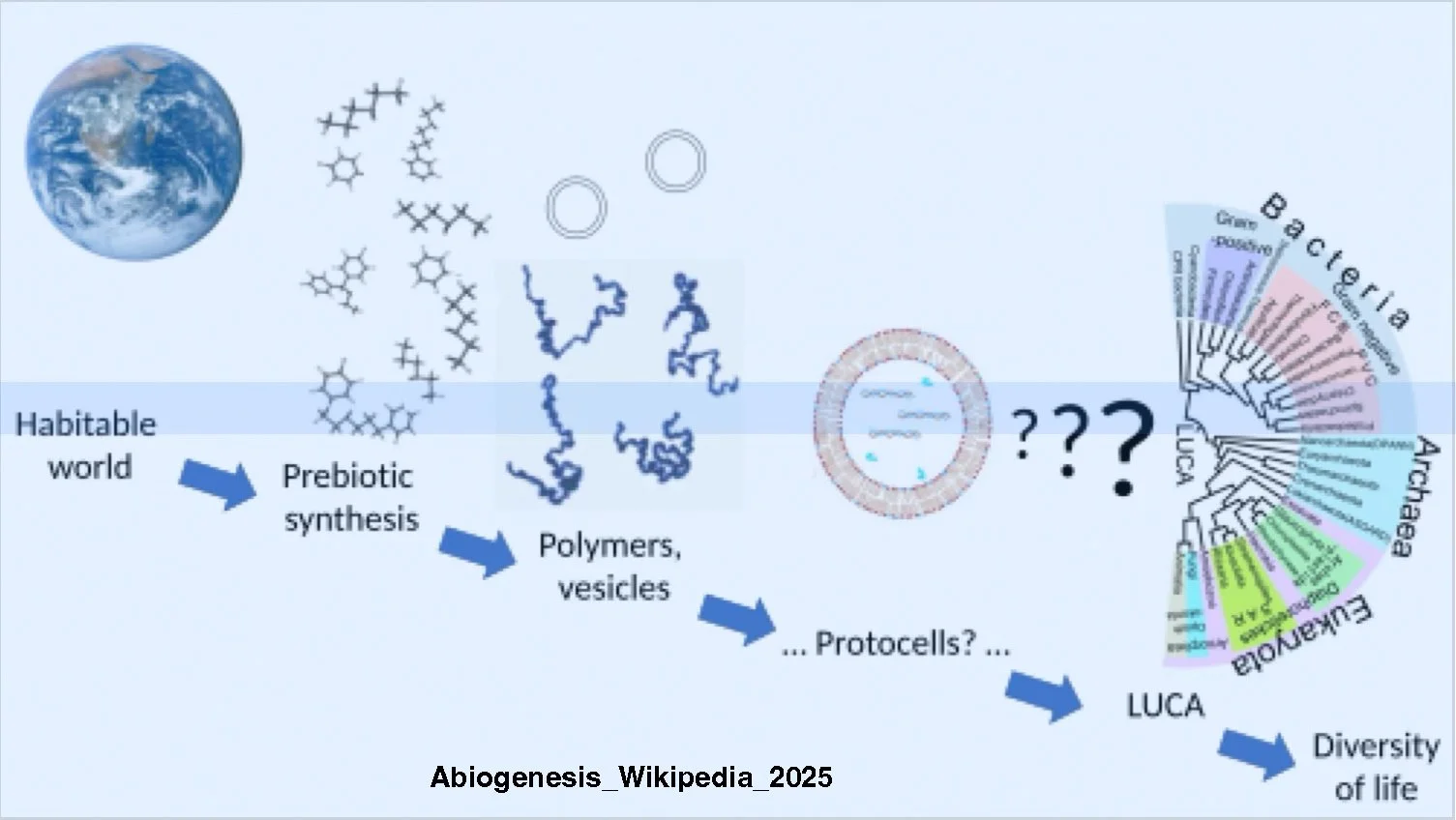
One scientific hypothesis suggests a transition from non-living to living entities on Earth involving a process of increasing complexity to adapt to a habitable planet (graphic to left). This process starts with prebiotic synthesis of organic molecules, molecular self-replication, self-assembly, autocatalysis, and the emergence of cell membranes, sometimes described as the last universal common ancestor (LUCA), mentioned in the image to the left.
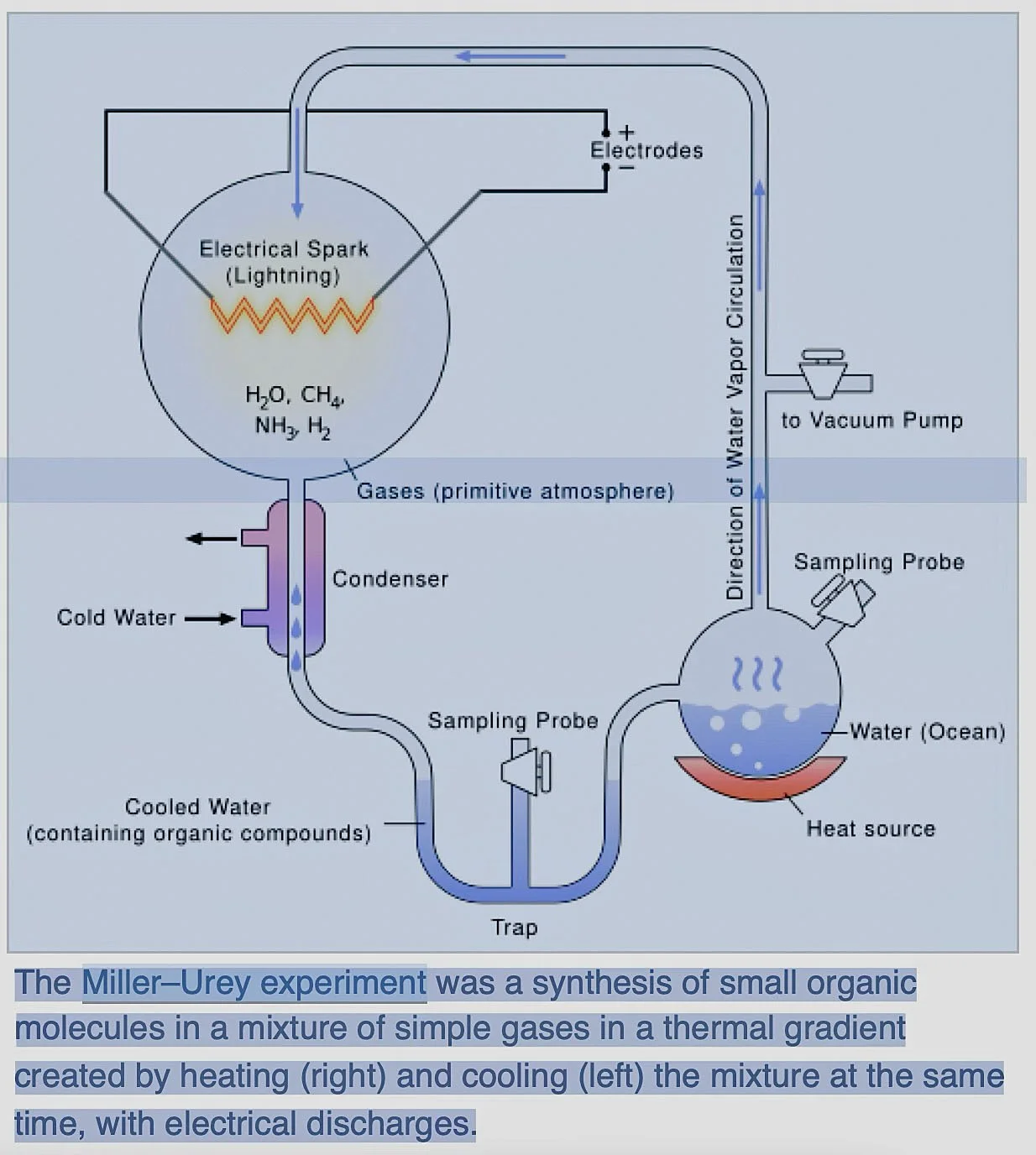
Consistent with the transition described above, an experiment carried out in 1952 by Stanley Miller and Harold Urey at the University of Chicago demonstrated that simple prebiotics could be produced by combining methane, ammonia, and hydrogen in an aqueous environment stimulated by a source of energy (an electric spark). This experiment proved that amino acids could be synthesized from inorganic compounds under conditions like early Earth's. Amino acids have since been found in meteorites, comets, asteroids, and star-forming regions of space.
The Miller–Urey experiment (right) created synth small organic molecules in a mixture of simple gases in a thermal gradient created by heating and cooling the mixture at the same time, with electrical discharges. The conditions leading to protobiotics are are known, though some details are disputed among scientists. A habitable world could be formed with a supply of minerals and liquid water. Prebiotic synthesis creates a range of simple organic compounds, which may be assembled into polymers such as proteins and RNA; these conditions led to the formation of probiotics. While this early life environment is hypothesized, the Biological evolution lead to the development of a wide range of species with varied forms and biochemical capabilities. Although Earth remains the only place where life is known, the science of astrobiology seeks evidence of life on other planets.
Progression from small to complex molecules
Living entities evolved over time from single celled non-living entities (protocells) to complex single celled living entities (bacteria). To survive (i.e. replicate), these forms required Deoxyribonucleic acid (DNA), a double stranded polymer designed to store the information necessary to facilitate life. Another structurally less complex molecule, ribonucleic acid (RNA), a smaller single stranded polymer probably evolved before DNA. Scientists promoting this hypothesis suggest that early forms of life evolved from a world dominated by RNA facilitating the formation of protein. This is substantiated by a series of on-lines lectures by Nobel Prize winner JW Szostak.
The National Aeronautics and Space Administration (NASA) defines life as "a self-sustaining chemical system capable of evolution"; life consists of reproduction with (heritable) variations.. Such a system is complex; the last universal common ancestor (LUCA), presumably a single-celled proto-organism which "lived" (existed) some 4 billion years ago, already had hundreds of genes encoded by RNA and DNA, the genetic code that is universal today. That in turn implies a suite of cellular machinery including messenger RNA, transfer RNA, and ribosomes to translate the code into proteins. Those proteins included enzymes to support anaerobic respiration, and a DNA polymerase to replicate its genetic material.
A 2015 NASA strategy on the origin of life aimed to solve the puzzle by identifying interactions, intermediary structures and functions, energy sources, and environmental factors that contributed to evolvable macromolecular systems, and mapping the chemical landscape of potential primordial informational polymers. The advent of such polymers was most likely a critical step in prebiotic chemical evolution. Those polymers derived, in turn, from simple organic compounds such as nucleobases, amino acids, and sugars, likely formed by reactions in the environment. A successful theory of the origin of life must explain how all these chemicals came into being. One ancient view of the origin of life, accepted from the time of Aristotle (322 BC) until the 19th century, was spontaneous generation. This held that "lower" animals such as insects were generated by decaying organic substances, and that life arose by chance. In 1665, Robert Hooke published the first drawings of a microorganism. In 1676, Antonie van Leeuwenhoek drew and described microorganisms, probably protozoa and bacteria. Van Leeuwenhoek disagreed with spontaneous generation, and by the 1680s convinced himself and others, using experiments ranging from sealed and open meat incubation and the close study of insect reproduction, that the theory was incorrect. In 1668 Francesco Redi showed that no maggots appeared in meat when flies were prevented from laying eggs. By the middle of the 19th century, spontaneous generation was disproven.
The beginning of Earth...The geological time scale, as defined by international convention, depicts large spans of time from the Big Bang to the beginning of Earth to the present; its divisions chronicle some definitive events of Earth history. Earth formed around 4.54 billion years ago, approximately one-third the age of the universe, by accretion from the solar nebula. Volcanic outgassing probably created the primordial atmosphere and then the ocean, but the early atmosphere contained almost no oxygen.
Much of Earth was molten because of frequent collisions with other bodies which led to extreme volcanism. While Earth was in its earliest stage (Early Earth), a giant impact collision with a planetsized body named Theia is thought to have formed the Moon. Over time, Earth cooled, causing the formation of a solid crust allowing liquid water to condense on the surface.
Reference:
Abiogenesis:The First Molecules_Wikipedia 2025
The Origin of Life and Emergence of RNA. A series of on-line lectures at by JW Szostak available from Cold Spring Harbor < https://meetings.cshl.edu/ >
We are Made of Elements Forged in Stars_NASA Science Newsletter 2025
The History of the Earth_Wikipedia 2025
We are made up of elements forged in stars.But_by K. Stadola and M Iowa Astronomy 2016