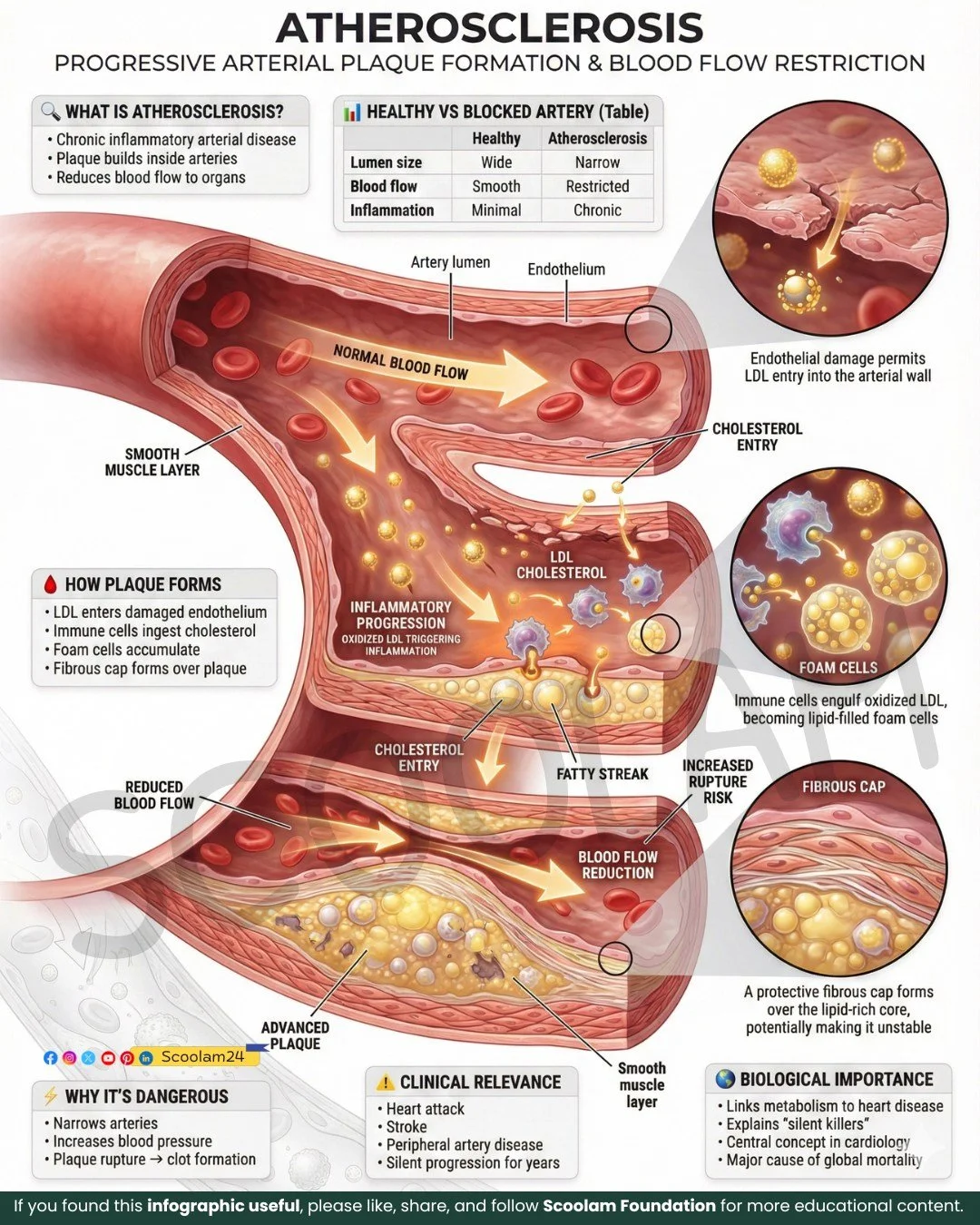
What happens when you body can no longer handle your fat intake? Cholesterol is an energy source, just like glucose (see Diabetes). Cholesterol is stored encapsulated in lipids called triglycerides that eventually become stored as fatty tissue. This fatty tissue serves your body as a long term energy source. But what happen if your fat intake exceeds your energy demand? Your fatty deposits increase leading to weight gain. Over prolonged periods of minimal energy demand, your body responds by developing atherosclerosis. Atherosclerosis, often called "hardening of the arteries," is a condition where fatty deposits called plaques build up inside your arteries. These plaques—made of cholesterol, fat, and calcium—narrow the artery and restrict the flow of oxygen-rich blood to vital organs and tissues.
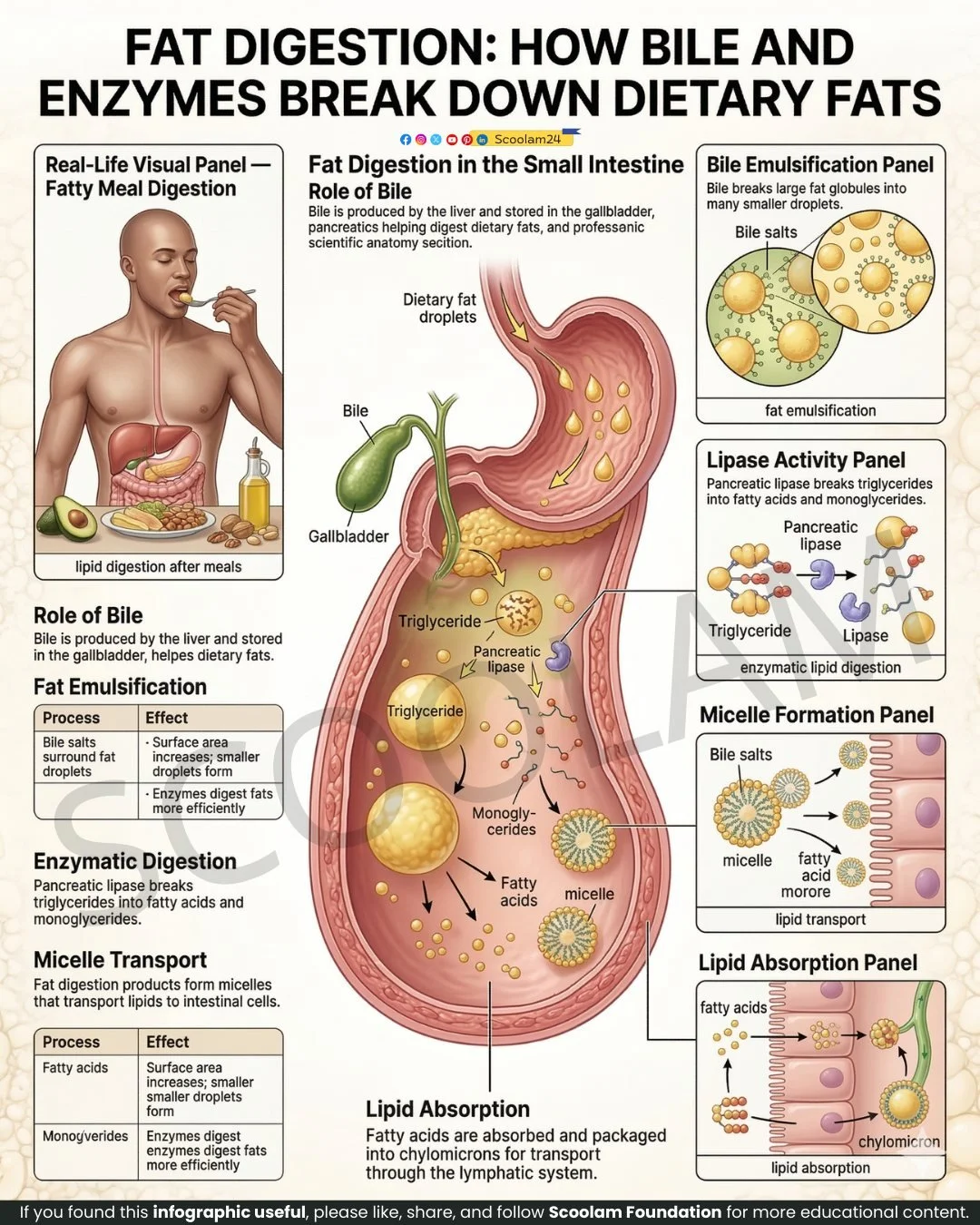
The following images may help you understand this process:
How are fats digested?
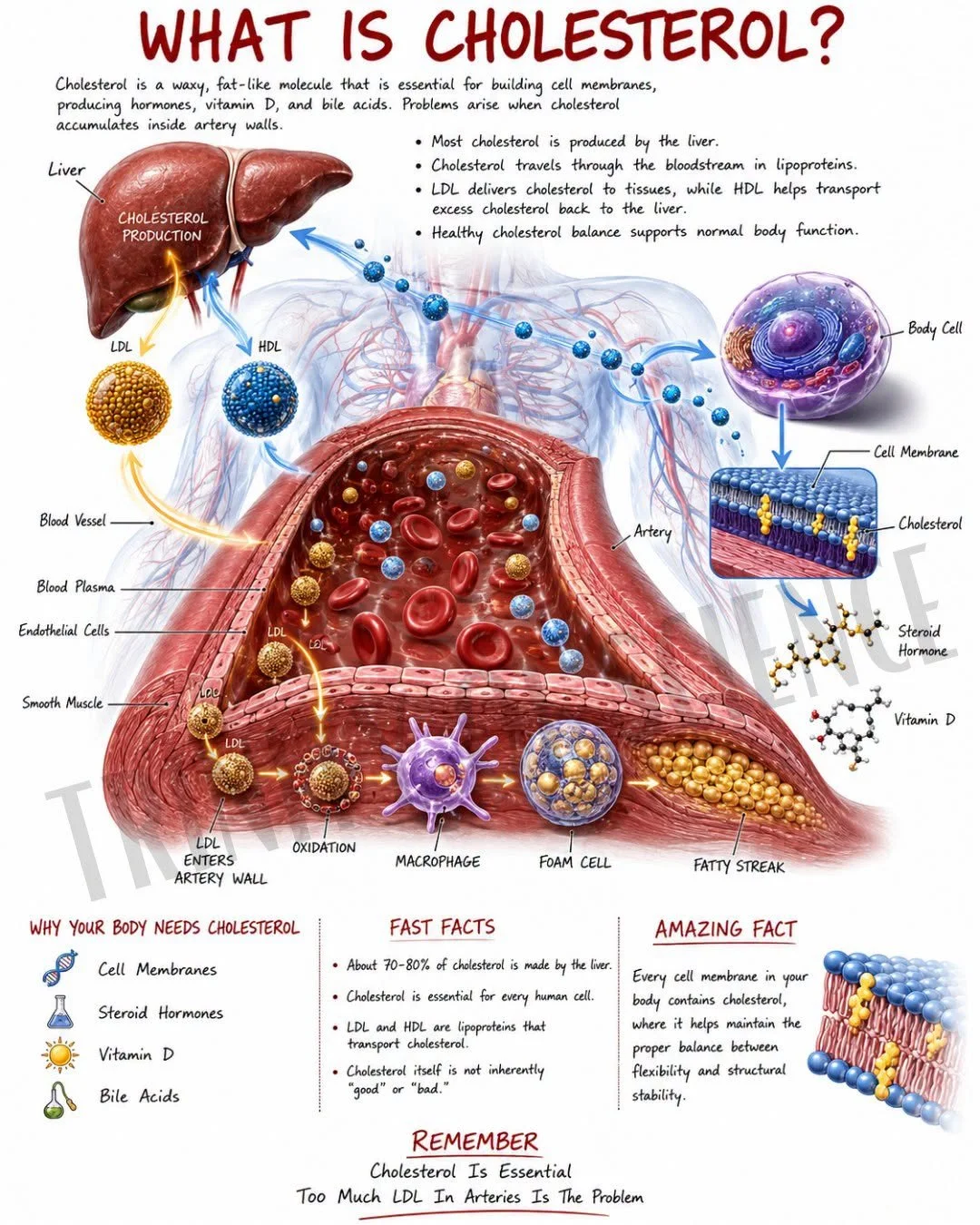
What is the role of cholesterol and lipoproteins? Good versus bad cholesterol:
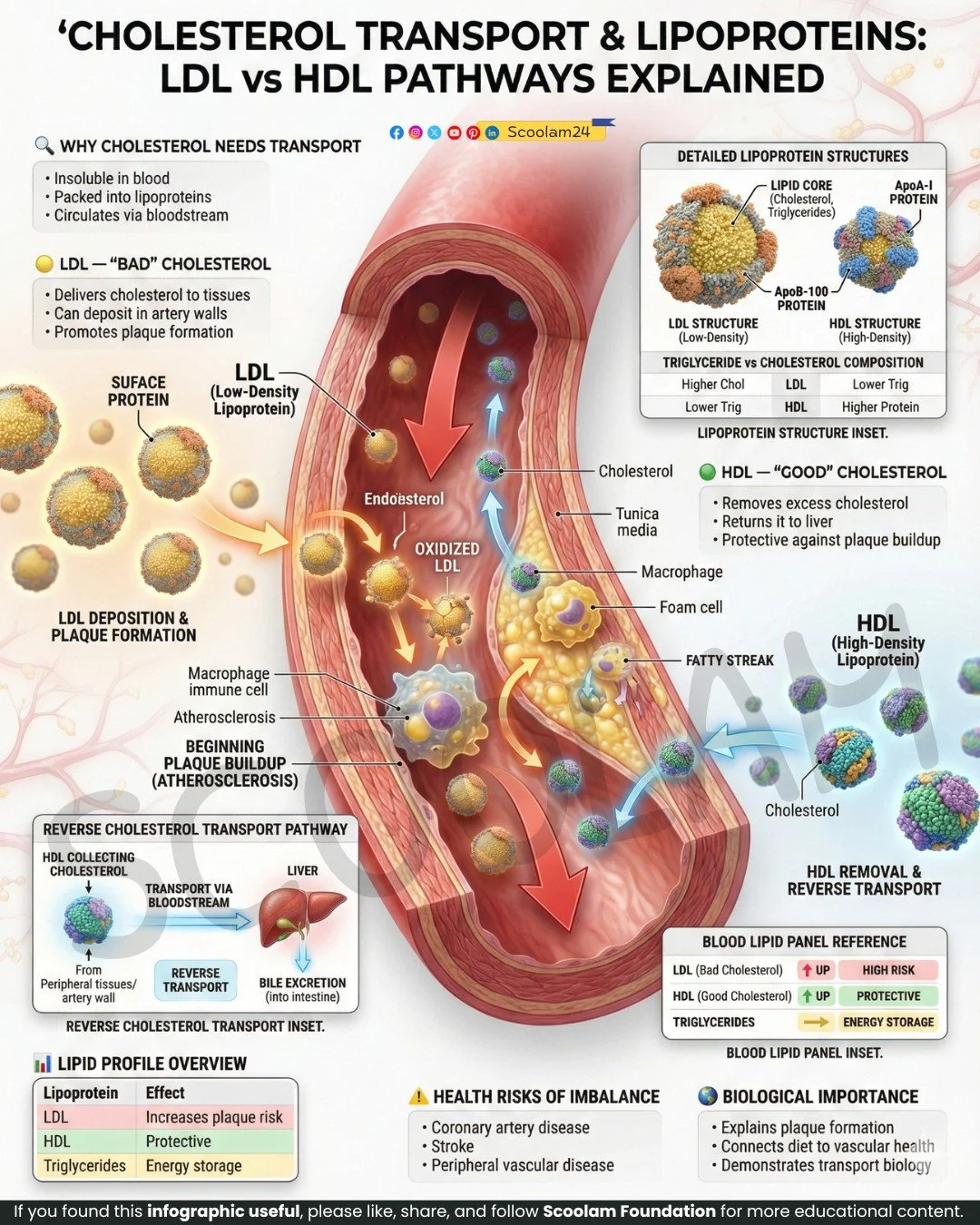
How does atherosclerosis develop?
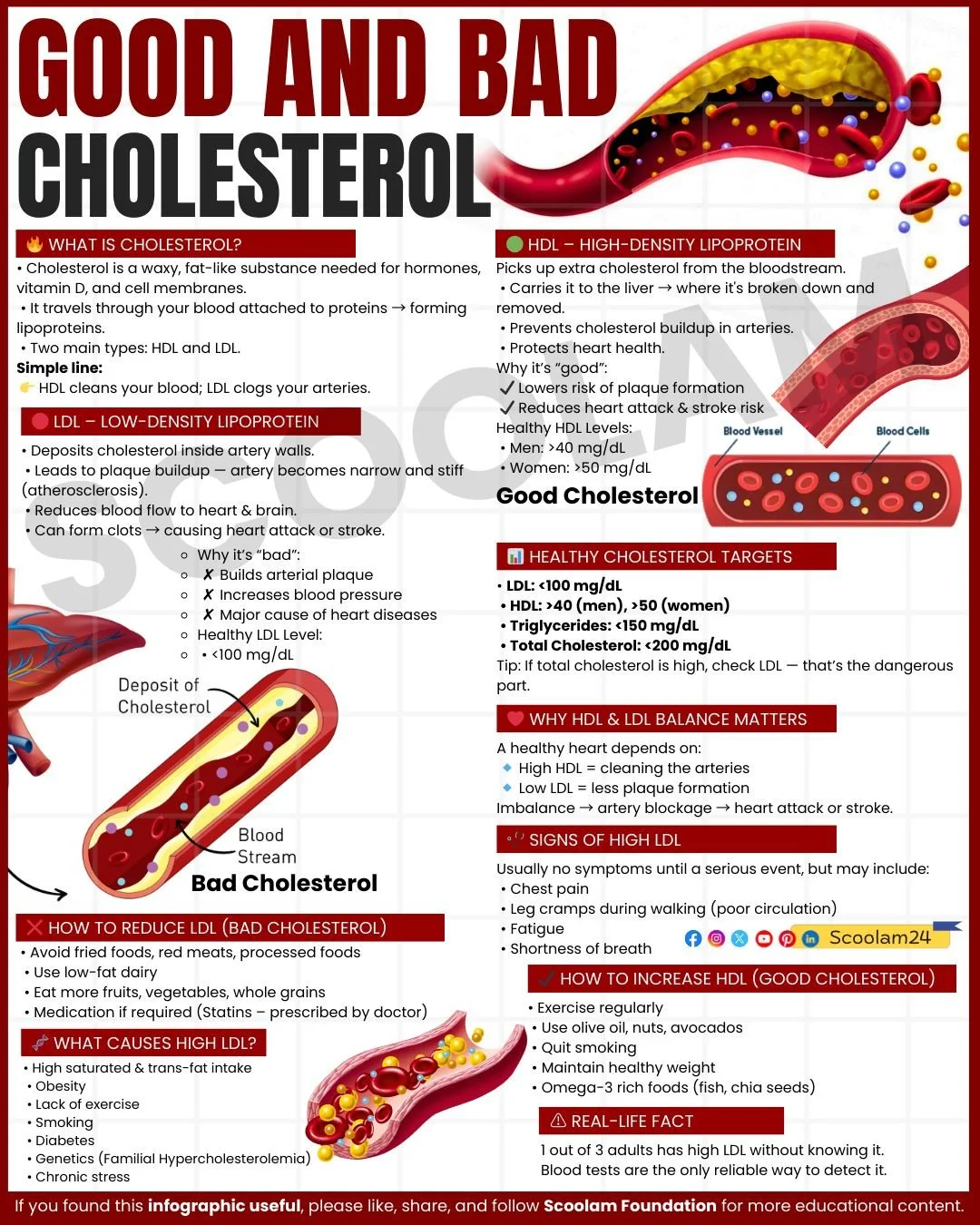
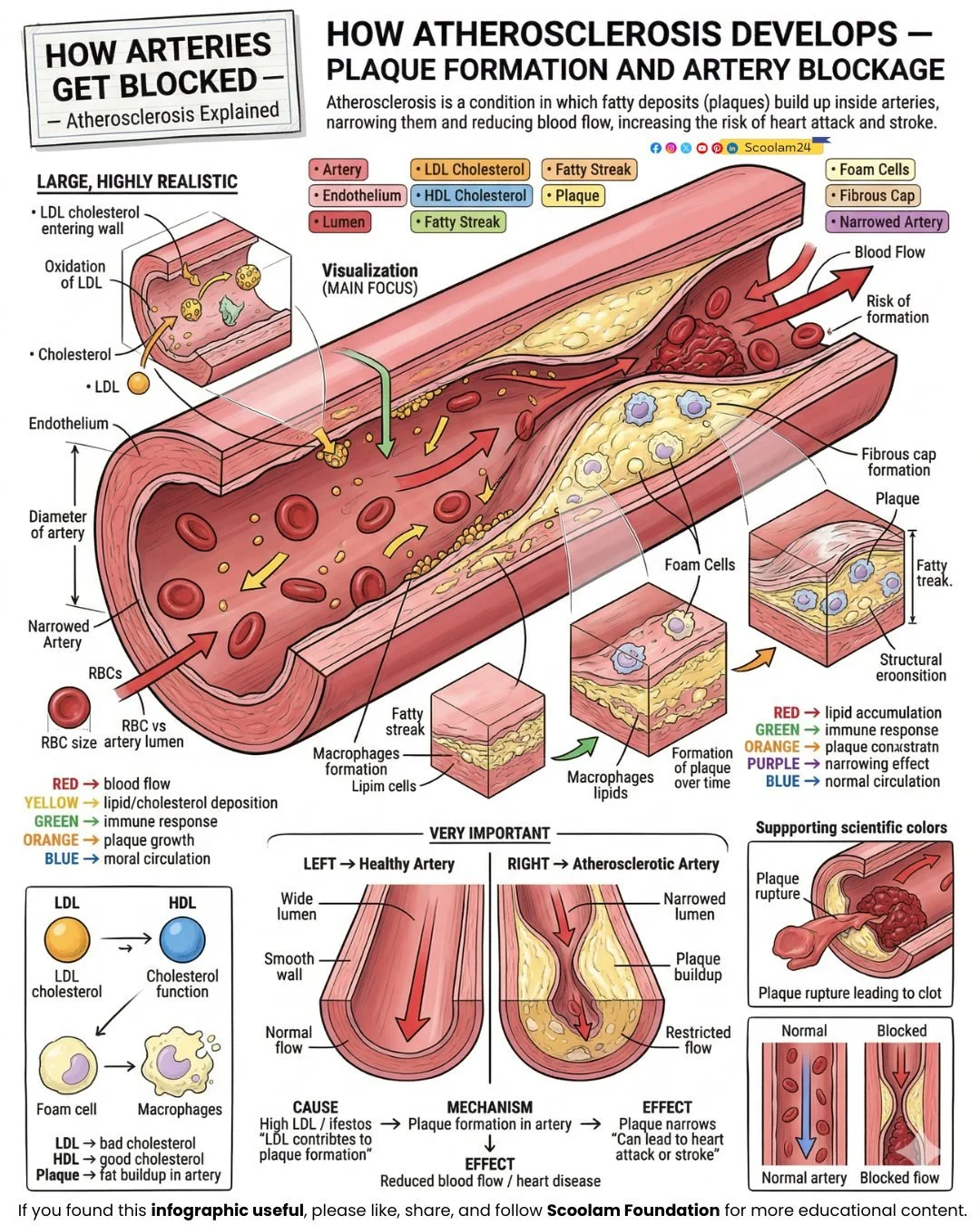
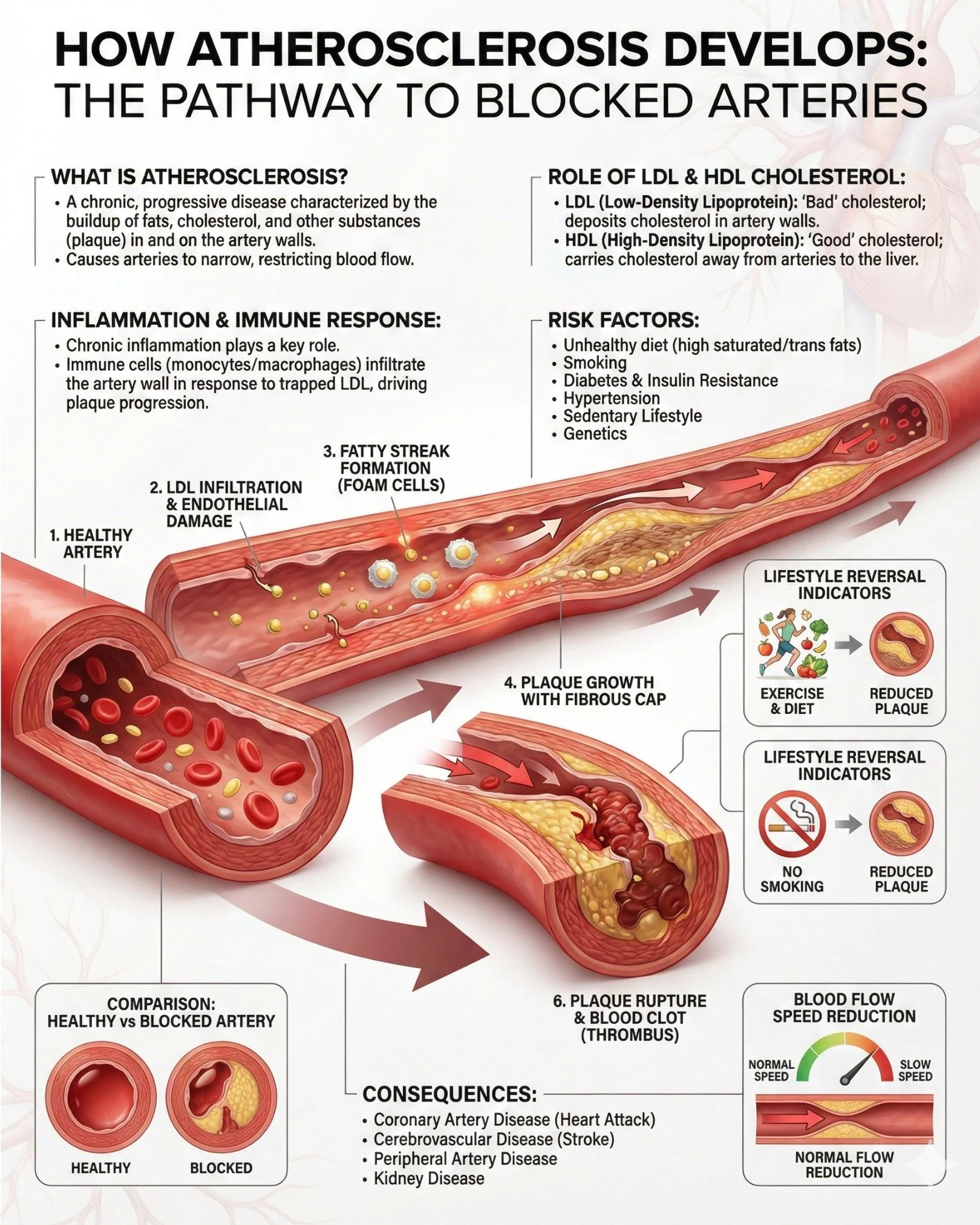
Atherosclerosis causes reduced blood flow resulting in lethargy and shortness of breath. This is one of the major causes of heart disease casing blockage of important blood vessels that deliver oxygen to hear muscles.